Why East African Creators Need Alternative Monetization Models
Share This Story
Help spread the word about our work and impact
The reality is that platform-based monetization
opportunities remain limited across much of East Africa. Many creators still
face challenges accessing global monetization programs. Advertising revenues
are often lower than those in Western markets and sponsorship opportunities
tend to benefit a relatively small percentage of creators.
As a result, relying on a single source of income is
increasingly risky. Around the world, creators are diversifying through:
• Fan
support and tipping
• Membership
communities
• Exclusive
content
• Digital
products
• Online
courses
• Consulting
and coaching
• Live
events
• Crowdfunding
initiatives
These models allow creators to earn directly from the
audiences they have worked so hard to build. More importantly, they create
independence.
East Africa Has a Unique Opportunity
One of East Africa's greatest strengths is its digital
payments ecosystem.
Mobile money has already transformed how people send,
receive and manage money. Millions of East Africans use mobile financial
services every day, creating an opportunity to connect digital content directly
to digital payments.

This opens the door for creator-focused solutions that allow
audiences to support the people whose content they value most. Whether it's a
musician receiving support after releasing a song, an educator being rewarded
for sharing knowledge, or a comedian receiving appreciation from loyal fans,
direct audience support has the potential to become a powerful pillar of the
region's creator economy.
The Future Belongs to Creator Entrepreneurs
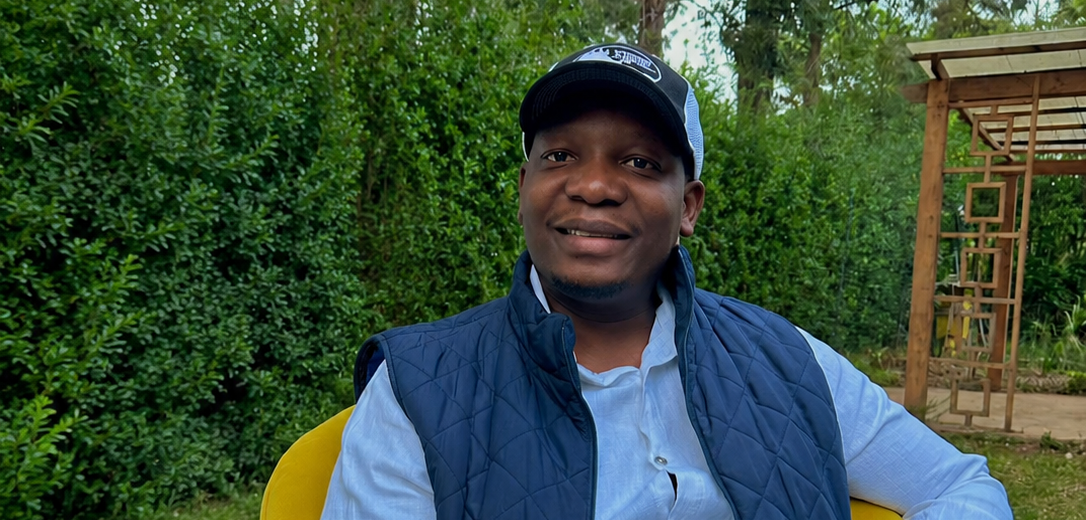
“The next generation of successful creators will not simply
be content producers. They will be entrepreneurs who understand audience
psychology, storytelling, personal branding, community building, and
diversified monetization.” Mike Otieno, Co-Founder of WOWZI Technologies, an
influencer Marketing company in Africa, based in Nairobi, Kenya.
He further suggests that these creators will build
businesses around their creativity rather than relying solely on platform
algorithms. Most importantly, they will recognize that content is only the
starting point and that the real goal is to build trust, create value and
cultivate communities that believe in what they do.

Mr. Otieno advises creators to continue improving their
craft, tell better stories and understand their audience more deeply, and
continue creating content that informs, entertains, solves problems, or
inspires action.
The need to begin exploring alternative monetization
opportunities that give creators greater control over their future and craft
can not be gainsaid.
The question is no longer whether content creation can
become a viable profession. The question is whether creators are prepared to
build businesses around the audiences they are creating today.